|
This unit provides an overview and orientation to the Culinary Foundations Level 2 course. It sets expectations and provides instructions on how to use the course platform to progress through activities and assessments. |
|
Orientation
|
Course Orientation
- Task 2: Course Orientation & Objectives
- Task 3: How to Learn with Rouxbe
|
End of Unit 1

|
In this unit, you will learn how to choose and identify an assortment of salad greens. You will learn how to clean and refresh greens and how to dry and store them. You will also learn how to properly dress and toss a salad and how to combine greens in order to compose different salads using a variety of vinaigrettes. |
|
Orientation
|
Unit Orientation
- Task 4: Unit Orientation & Objectives
- Task 5: Complete Your Self Assessment
- Task 6: Unit Pre-Assessment
|
|
|
Salad Greens | Selecting & Preparing
- Task 7: Salad Greens | Selecting & Preparing
|
|
|
Vinaigrette Basics
- Task 8: How to Make a Vinaigrette
- Task 9: LIVE GRADED - Prepare a Simple Side Salad
|
|
Review
|
Unit Review
- Task 10: Unit Review & Quiz Preparation
- Task 12: Activity: Practice & Share Your Photos
|
End of Unit 2

|
In this unit, you will be introduced to the fundamentals of vegetable preparation. Emphasis is given to preserving vegetable pigments, blanching, par-boiling, steaming and roasting a variety of fresh vegetables. |
|
Orientation
|
Unit Orientation
- Task 13: Unit Orientation & Objectives
- Task 14: Complete Your Self Assessment
- Task 15: Unit Pre-Assessment
|
|
|
Preserving Vegetable Pigments
- Task 16: Preserving Vegetable Pigments
|
|
|
Cooking Vegetables in Water
- Task 17: Cooking Vegetables in Water
- Task 18: Understanding Cooking Times
- Task 19: The Potato Experiment
|
|
|
Steaming Vegetables
- Task 20: Steaming Vegetables
- Task 21: Preparing & Reheating with Steam
|
|
|
How to Roast Vegetables
- Task 22: How to Roast Vegetables
- Task 23: Estimated Roasting Times for Vegetables
- Task 24: LIVE GRADED - Roast Cauliflower
|
|
|
How to Purée Vegetables
- Task 25: Introduction to How to Purée Vegetables
- Task 26: What Are Puréed Vegetables?
- Task 27: Vegetable Purées | Components
- Task 28: How to Purée Vegetables
- Task 29: Holding & Serving
|
|
Review
|
Unit Review
- Task 30: Unit Review & Quiz Preparation
- Task 32: Activity: Practice & Share Your Photos
|
End of Unit 3

|
In this unit, you will learn about the anatomy of an egg, and the techniques of boiling, scrambling, frying, basting, and poaching. You will also learn the secret to making delicious, fluffy omelettes, and frittatas. |
|
Orientation
|
Unit Orientation
- Task 33: Unit Orientation & Objectives
- Task 34: Complete Your Self Assessment
- Task 35: Unit Pre-Assessment
|
|
|
Eggs | Anatomy, Boiling & Scrambling
- Task 36: Eggs | Anatomy, Boiling & Scrambling
- Task 37: Egg Schematic Test
|
|
|
Eggs | Frying, Basting & Poaching
- Task 38: Eggs | Frying, Basting & Poaching
- Task 39: LIVE GRADED - Poach an Egg
|
|
|
How to Make an Omelet
- Task 40: How to Make an Omelet
- Task 41: LIVE GRADED - Make a French Omelet
|
|
|
How to Make a Frittata
- Task 42: How to Make a Frittata
|
|
|
How to Steam Eggs
- Task 43: How to Steam Eggs
|
|
Review
|
Unit Assessment Quiz
- Task 44: Unit Review & Quiz Preparation
- Task 46: Activity: Practice & Share Your Photos
|
End of Unit 4

|
In this unit, you will be introduced to the four basic soup bases: broth-based clear, stock-based clear, roux-based, and starch-based. |
|
Orientation
|
Unit Orientation
- Task 47: Unit Orientation & Objectives
- Task 48: Complete Your Self Assessment
- Task 49: Unit Pre-Assessment
|
|
|
How to Make Broth-Based Clear Soup
- Task 50: How to Make Broth-Based Clear Soup
|
|
|
How to Make Stock-Based Clear Soup
- Task 51: How to Make Stock-Based Clear Soup
|
|
|
How to Make Roux-Based Soup
- Task 52: How to Make Roux-Based Soup
|
|
|
How to Make Starch-Based Thick Soup
- Task 53: How to Make Starch-Based Thick Soup
|
|
|
How to Make Consommé
- Task 54: Introduction to Consommé
- Task 55: Consommé | Clarification Components
- Task 56: Consommé | Getting Started
- Task 57: Consommé | Cooking the Raft
- Task 58: Consommé | Finishing Steps
|
|
Review
|
Unit Review & Course Challenge Quiz
- Task 59: Unit Review & Quiz Preparation
- Task 61: Activity: Practice & Share Your Photos
|
End of Unit 5
|
Knowing how to make basic sauces will enable you to expand the range of dishes that you can prepare.
In this unit you will learn how to prepare a variety of the sauces often used in professional kitchens. You will start by learning how to create classic roux, béchamel and veloute sauce. This unit will also give you the opportunity to create delicious savory sauces such as classic tomato, pan sauces, butter based sauces and hollandaise sauce. |
|
Orientation
|
Unit Orientation
- Task 62: Unit Orientation & Objectives
- Task 63: Complete Your Self Assessment
- Task 64: Unit Pre-Assessment
|
|
|
How to Make Roux
- Task 65: How to Make Roux
|
|
|
How to Make Béchamel Sauce
- Task 66: How to Make Béchamel Sauce
- Task 67: LIVE GRADED - Prepare Béchamel Sauce
|
|
|
How to Make Velouté Sauce
- Task 68: How to Make Velouté
|
|
|
How to Make Tomato Sauce
- Task 69: How to Make Tomato Sauce
|
|
|
How to Make a Butter Sauce
- Task 70: How to Make a Butter Sauce
|
|
|
How to Make Hollandaise Sauce
- Task 71: How to Make Hollandaise Sauce
- Task 72: LIVE GRADED - Prepare Hollandaise Sauce
|
|
|
How to Make Demi-Glace
- Task 73: Introduction to Demi-Glace & Derivative Sauces
- Task 74: What is Demi-Glace?
- Task 75: How to Make Demi-Glace
- Task 77: Varying Brown Sauces
- Task 78: Serving Demi-Glace Based Sauces
|
|
|
How to Make Pan Sauce
- Task 79: How to Make Pan Sauce
- Task 80: LIVE GRADED - Prepare a Pan Sauce
|
|
|
Plant-Based Sauces
- Task 81: Plant-Based Sauces | Introduction
|
|
|
Condiments & Quick Pickles
- Task 85: Condiments | Introduction
- Task 87: Relishes, Salsas & Chutneys
|
|
Review
|
Unit Review
- Task 88: Unit Review & Quiz Preparation
- Task 90: Activity: Practice & Share Your Photos
|
End of Unit 6
|
In this unit, you will learn how to prepare rice by steaming and boiling. You will also learn how to make a pilaf and a risotto. Finally, you will learn about cooking grains, and how to prepare polenta. |
|
Orientation
|
Unit Orientation
- Task 91: Unit Orientation & Objectives
- Task 92: Complete Your Self Assessment
- Task 93: Unit Pre-Assessment
|
|
|
Rice Basics
- Task 95: Label the Rice Grain Activity
|
|
|
Cooking Rice | Steaming & Boiling Methods
- Task 97: Steaming & Boiling Methods | Liquid to Rice Ratios
|
|
|
Cooking Rice | Pilaf Method
- Task 98: The Pilaf Method
|
|
|
Cooking Rice | The Risotto Method & Varying Risotto
- Task 99: The Risotto Method
- Task 100: How to Vary Risotto
- Task 101: LIVE GRADED - Prepare Plain Risotto
|
|
|
How to Cook Grains
- Task 102: How to Cook Grains
- Task 103: Estimated Ratios & Cooking Times
- Task 104: Grains & Food Safety
- Task 105: Characteristics of Common Grains
|
|
|
How to Make Polenta
- Task 106: How to Make Polenta
|
|
Review
|
Unit Review
- Task 107: Unit Review & Quiz Preparation
- Task 109: Activity: Practice & Share Your Photos
|
End of Unit 7

|
In this unit, you will learn how to buy and store dried beans. You will learn how to prepare them for cooking and the advantages of the various methods used to soak them. You will also learn how to properly cook and test beans for doneness. |
|
Orientation
|
Unit Orientation
- Task 110: Unit Orientation & Objectives
- Task 111: Complete Your Self Assessment
- Task 112: Unit Pre-Assessment
|
|
|
How to Cook Dried Legumes
- Task 113: How to Cook Dried Legumes
|
|
Review
|
Unit Review
- Task 114: Unit Review & Quiz Preparation
- Task 116: Activity: Practice & Share Your Photos
|
End of Unit 8
|
In this unit, you will learn how extruded and laminated pastas are made, the differences between them and when you might choose one over the other. You will also learn how to cook extruded and laminated pasta. |
|
Orientation
|
Unit Orientation
- Task 117: Unit Orientation & Objectives
- Task 118: Complete Your Self Assessment
- Task 119: Unit Pre-Assessment
|
|
|
How to Select Pasta
- Task 120: How to Select Pasta
|
|
|
How to Cook Pasta
- Task 121: How to Cook Pasta
- Task 122: Reorder Sequence Activity
- Task 123: LIVE GRADED - Prepare Plain Pasta Al Dente
|
|
|
How to Make Fresh Pasta | Laminated Pasta
- Task 124: How to Make Fresh Pasta | Laminated Pasta
|
|
Review
|
Unit Review
- Task 125: Unit Review & Quiz Preparation
- Task 127: Activity: Practice & Share Your Photos
|
End of Unit 9
|
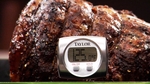
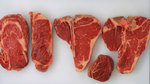
In this unit, you will learn how to identify popular premium cuts of steak. You will learn about the importance of marbling and how aging effects both the quality and cost of meat. You will also learn some tips that will help you choose the most appropriate steak for the type of meal you are making. Finally, you will learn how to prepare steaks for cooking and the best cooking techniques including how to roast prime rib. |
|
Orientation
|
Unit Orientation
- Task 128: Unit Orientation & Objectives
- Task 129: Complete Your Self Assessment
- Task 130: Unit Pre-Assessment
|
|
|
How Heat Affects Protein
- Task 131: Introduction to How Heat Affects Protein
- Task 132: The Basics of Coagulation
- Task 133: Moist-Heat Coagulation
- Task 134: Dry-Heat Coagulation
- Task 135: Tender & Tough Proteins
- Task 136: Protein | Indicators of Doneness
|
|
|
Beef | Premium Cuts of Steak
- Task 137: Beef | Premium Cuts of Steak
- Task 138: Labeling Sections of a Cow
|
|
|
PreppingPremium Steaks for Cooking
- Task 139: Prepping Premium Steaks for Cooking
|
|
|
How to Cook Premium Steaks
- Task 140: How to Cook Premium Steaks
- Task 141: LIVE GRADED - Prepare a Premium Steak
|
|
|
How to Roast Prime Rib
- Task 142: How to Roast Prime Rib
|
|
Review
|
Unit Review
- Task 143: Unit Review & Quiz Preparation
- Task 145: Activity: Practice & Share Your Photos
|
End of Unit 10

|
In this unit, you will learn about the basic anatomy of poultry and the difference between white and dark meat. You will learn how to break down a chicken, and how to carve a whole bird once it is cooked. You will also learn how to perfectly roast a whole chicken and create delicious gravies and enhancements to go with it. |
|
Orientation
|
Unit Orientation
- Task 146: Unit Orientation & Objectives
- Task 147: Complete Your Self Assessment
- Task 148: Unit Pre-Assessment
|
|
|
Poultry Fundamentals
- Task 149: Poultry Fundamentals
- Task 150: Breaking Down Poultry
- Task 151: Labeling Sections of Chicken
- Task 152: LIVE GRADED - Break Down a Chicken
|
|
|
How to Roast a Whole Chicken
- Task 153: How to Roast a Whole Chicken
- Task 154: Learn How to Roast & Carve a Chicken
|
|
|
Enhancing Basic Roast Chicken
- Task 155: Enhancing Basic Roast Chicken
|
|
Review
|
Unit Review
- Task 156: Unit Review & Quiz Preparation
- Task 158: Activity: Practice & Share Your Photos
|
End of Unit 11

|
This unit introduces the cook to the fundamentals of proper buying, storing and cooking of a variety of fish. Focus is given to how to properly pan-fry fish. |
|
Orientation
|
Unit Orientation
- Task 159: Unit Orientation & Objectives
- Task 160: Complete Your Self Assessment
- Task 161: Unit Pre-Assessment
|
|
|
How to Buy & Store Fish
- Task 162: How to Buy & Store Fish
|
|
|
Cooking Fish Fundamentals
- Task 163: Fish Cooking Fundamentals
|
|
|
How to Pan Fry Fish
- Task 164: How to Pan Fry Fish
- Task 165: LIVE GRADED - Pan Fry Fish Fillet
|
|
Review
|
Unit Review
- Task 166: Unit Review & Quiz Preparation
- Task 168: Activity: Practice & Share Your Photos
|
End of Unit 12
|
In this unit, you will learn about gluten, flour, yeast, water and salt and their functions in bread making. You will learn how to correctly identify the anatomy of a grain.You will also learn about bread-making tools and the stages of preparation. Finally, you will learn how to shape the dough for baking. |
|
Orientation
|
Unit Orientation
- Task 169: Unit Orientation & Objectives
- Task 170: Complete Your Self Assessment
- Task 171: Unit Pre-Assessment
|
|
|
Baking Basics
- Task 172: Introduction to Baking Basics
- Task 173: Measuring & Mise en Place
- Task 174: Common Mixing Methods & Techniques
- Task 175: Basic Baking Ingredients: Flour, Sugar & Fat
- Task 176: Basic Baking Ingredients: Leaveners
- Task 177: Preparing to Bake
- Task 178: What Happens During Baking
|
|
|
Wheat & Gluten
- Task 179: Wheat & Gluten Lesson
- Task 180: Label The Wheat Schematic
- Task 181: Image Select: Developing Gluten
|
|
|
Quick Breads
- Task 182: Quick Breads | Introduction
- Task 183: Quick Bread Basics
- Task 185: Creaming Method
|
|
|
How to Make Bread | Basics
- Task 187: How to Make Bread | Basics
|
|
|
Stages of Bread Making
- Task 188: Stages of Bread Making
|
|
|
How to Shape an Epi
- Task 189: How to Shape an Epi
|
|
Review
|
Unit Review
- Task 190: Unit Review & Quiz Preparation
- Task 192: Activity: Practice & Share Your Photos
|
End of Unit 13
|
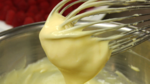
This unit provides key introductory lessons on how to make doughs, custards and souffles—essential techniques with virtually limitless applications and variations in the pastry kitchen. |
|
Orientation
|
Unit Orientation
- Task 193: Unit Orientation & Objectives
- Task 194: Complete Your Self Assessment
- Task 195: Unit Pre-Assessment
|
|
|
How to Make Pâte Brisée
- Task 196: Introduction to Pâte Brisée
- Task 197: Pâte Brisée | Basic Ingredients
- Task 198: Pâte Brisée | Basic Ratios
- Task 199: Pâte Brisée | Resting & Chilling
- Task 200: Pâte Brisée | Rolling & Assembly
- Task 201: Pâte Brisée | Blind Baking Basics
- Task 202: Pâte Brisée | Storing & Freezing
|
|
|
Pâte Sucrée
- Task 203: Introduction to Pâte Sucrée
- Task 204: What is Pâte Sucrée?
- Task 205: Pâte Sucrée | Mixing, Resting & Chilling
- Task 206: Pâte Sucrée | Rolling & Lining
- Task 207: Pâte Sucrée | Baking & Storing
- Task 208: Troubleshooting Pâte Sucrée Dough
|
|
|
How to Make Pâte à Choux
- Task 209: Introduction to Pâte à Choux
- Task 210: Ingredients for Pâte à Choux
- Task 211: How to Make Pâte à Choux
- Task 212: Piping & Filling Pâte à Choux
|
|
|
How to Make Crêpes
- Task 213: How to Make Crêpes
|
|
|
Custards
- Task 214: Basics of Custards
- Task 215: Custard Categories & Ingredient Function
- Task 216: Custards | Texture & Ratios
- Task 217: Stirred Custards
- Task 219: Custard Fillings for Pies & Tarts
- Task 220: Finishing, Serving & Storing Pies & Tarts
|
|
|
How to Make Soufflés
- Task 221: Introduction to Making Soufflés
- Task 222: Introduction to Soufflés
- Task 223: Soufflés | Main Components
- Task 224: Preparing to Make a Soufflé
- Task 225: How to Make Soufflés
- Task 226: Baking Soufflés
|
|
Review
|
Unit Review
- Task 227: Unit Review & Quiz Preparation
- Task 229: Activity: Practice & Share Your Photos
|
End of Unit 14
|
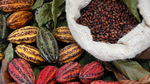
In this unit, you will learn the basics of chocolate. You will learn about the cacao tree and how cacao beans are processed. You will also learn about cocoa powder, dutching and cocoa butter. Finally, you will learn how dark, milk and white chocolate are made, and how to prepare chocolate based recipes. |
|
Orientation
|
Unit Orientation
- Task 230: Unit Orientation & Objectives
- Task 231: Complete Your Self Assessment
- Task 232: Unit Pre-Assessment: Chocolate
|
|
|
Basics of Quality Chocolate
- Task 233: Basics of Quality Chocolate
|
|
Review
|
Unit Review
- Task 234: Unit Review & Quiz Preparation
- Task 236: Activity: Practice & Share Your Photos
|
End of Unit 15
|
This final assessment quiz will show what you have learned in this course. Good luck! |
|
Review
|
Course Review
- Task 237: Course Review & Exam Preparation
- Task 238: Culinary Foundations Level 2 Final Exam
|
End of Unit 16
|
Course Description
Rouxbe Culinary School is the world’s leading online cooking school for aspiring cooks, culinary students, those already working in the food and culinary industry or for anyone who seeks an intensive immersion in culinary skill and knowledge development.
This Culinary Foundations Level 2 course focuses on foundational and fundamental skills development and reinforcement; universal and widely adopted methods and techniques of cooking as well as activities that reinforce the same principles taught in professional culinary schools around the world.
This course is covers key knowledge and technique development in: salads, vegetables, soups, sauces, meat, poultry, fish, breads, pastries and foods for special diets, kitchen and food safety, knife skills, stocks, moist- and dry-heat cooking methods, plating and presentation, and culinary nutrition. This course is complemented by Culinary Foundations Level 1, a shorter complementary course that provides prerequisite instruction in kitchen and food safety, knife skills, stocks, moist- and dry-heat cooking methods, plating and presentation, and culinary nutrition.
The course contains various types of learning activities to engage and guide professional cooks through a learning path: pre and post quizzes, flash cards, live graded assessments, Rouxbe-graded assessments and other supportive activities.
Course Highlights
- 16 Units, 45 lessons and over 230 learning tasks
- Over 100 instructional videos
- Over 100 recipes that reinforce key techniques
- Engaging learning activities and assignments
Course Objectives
- explain and demonstrate principles of salad and dressing production
- explain and demonstrate principles of vegetable cookery
- explain and demonstrate principles of egg cookery
- describe and explain soup making procedures
- prepare and present a variety of classic and contemporary sauces
- explain and demonstrate principles of meat, poultry and fish cookery
- explain and demonstrate principles of pasta, legume, rice, and grain cookery
- demonstrate knowledge of basic bread, baking, and gluten functions
- demonstrate knowledge of basic pastry and chocolate use
|